If you’ve always wanted to play tennis but never quite got started, you’re not alone. Whether it’s been a childhood dream or a new hobby on your radar, tennis is an incredibly rewarding way to stay active, clear your mind, and have fun—at any age. I recently took the leap myself and built a beginner-friendly tennis setup that feels both functional and exciting to use. In this guide, I’ll walk you through the exact gear I chose (and why), plus helpful tips on sizing, features, and comfort. By the end, you’ll know exactly what to buy as a new adult tennis player—no guesswork or wasted money.
1. Tennis Racquet: Wilson Clash 100L V3
The racquet is your core piece of gear, and choosing one that’s arm-friendly, lightweight, and forgiving can make a big difference in your learning curve. The Wilson Clash 100L V3 struck the perfect balance for me. With a 100-square-inch head size and a light 280g unstrung weight, it’s ideal for beginners who need a racquet that won’t strain the wrist or elbow. The flexible frame technology helps absorb shock and improves control, even on off-center hits. It’s a bit more premium than entry-level options, but the comfort and playability are worth it if you’re serious about learning.
Tip: A racquet with a larger head size (100–105 sq in) and under 300g weight is perfect for adult beginners.

2. Tennis Strings: Prioritize Comfort Over Spin
Most racquets don’t come with great strings by default, so it helps to know what to ask for when stringing. For beginners, multifilament strings like Wilson NXT are excellent—soft, easy on the arm, and consistent. If you want to try something more advanced later, hybrid setups (gut + poly) can balance power and control. For now, keeping it simple and comfortable is key. Ask for a tension between 53–55 lbs to reduce vibration without feeling too loose.
Tip: If you have elbow sensitivity, avoid full polyester strings at first. They’re stiffer and can feel harsh on mis-hits.
Shop Wilson strings here.
3. Grip Size & Overgrip: Don’t Skip This Step
Grip size is often overlooked, but using the wrong one can cause pain or strain. Measure from the bottom crease of your palm to the tip of your ring finger. Mine measured 4.3 inches, which equals a US 4 3/8” grip (or L3). If you’re in between sizes, go smaller and use an overgrip to build it up slightly. Overgrips also absorb sweat and improve grip traction during matches or drills.
Tip: Replace your overgrip every 5–10 hours of play, or sooner if it feels slippery.
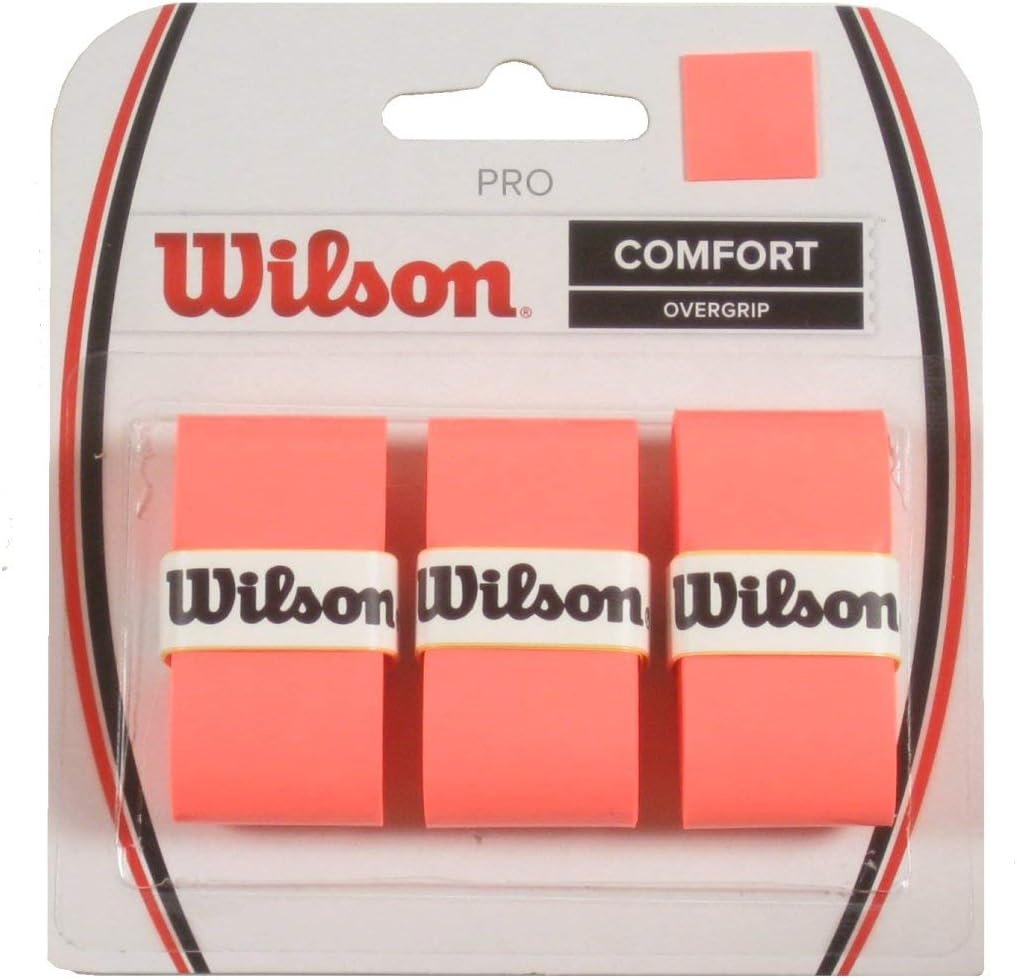
High quality material, Pack of 3 to always have on hand.
4. Tennis Balls: Get the Right Type
Not all tennis balls are created equal. For beginners, regular duty pressurized balls or pressureless balls are the most forgiving. Pressureless balls don’t bounce as high or fast, which gives you more time to react and learn. If you’re practicing solo or with a ball machine, these last longer. I use Penn Pressureless Practice Balls in a reusable mesh bag—budget-friendly and reliable.
Tip: Use pressureless balls for practice, and pressurised balls for matches or rallies. Store them in a ball pressurizer to keep them fresh longer.
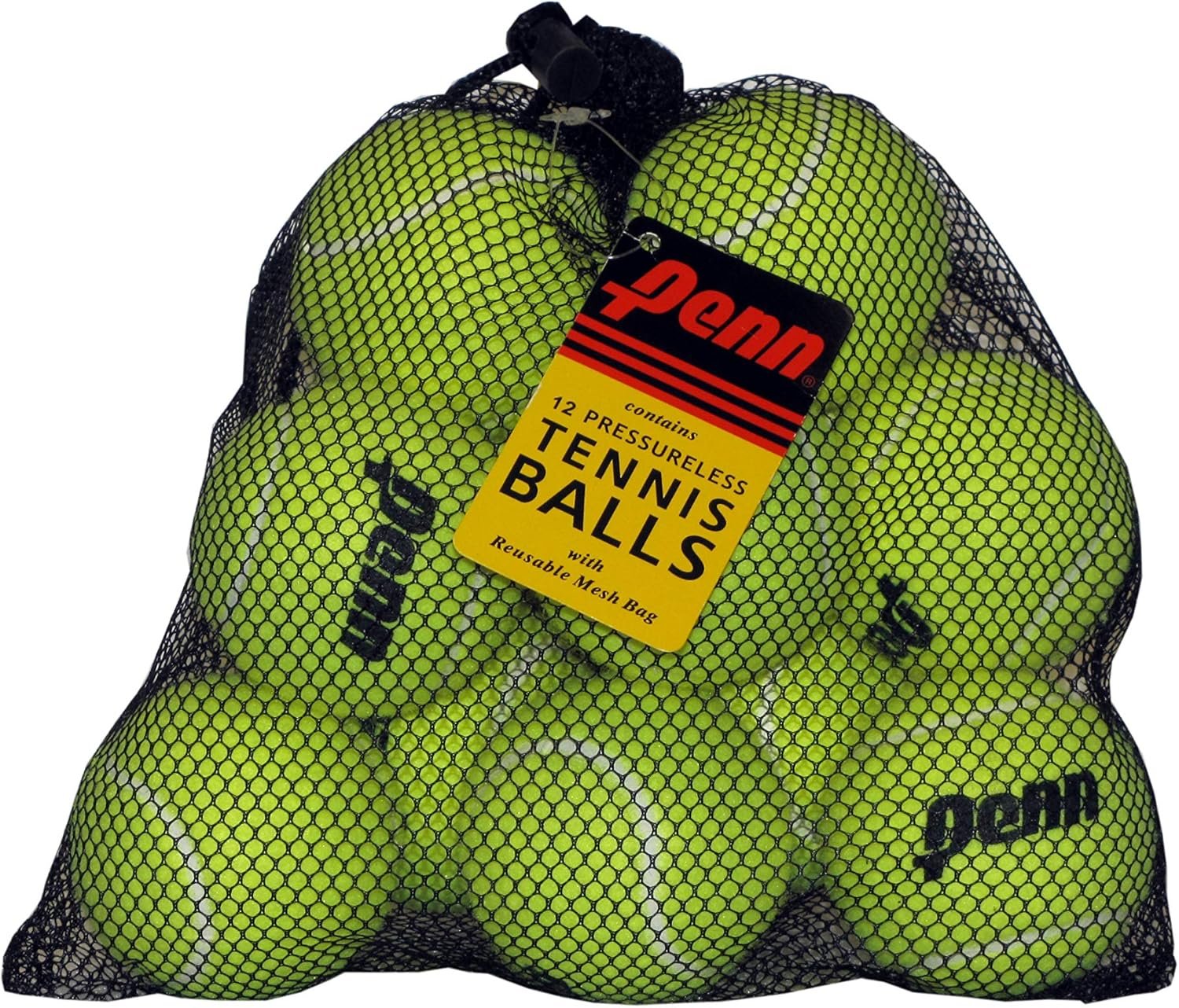
GREAT FOR PRACTICE: The training tennis balls are ideal for practice sessions with a coach or a machine.
5. Tennis Shoes: Footwork-Specific Support Is a Must
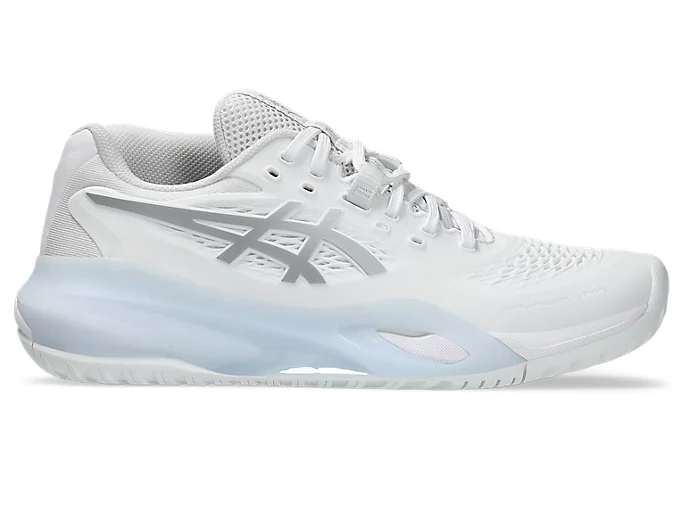
Good tennis shoes protect your joints, improve stability, and help you move better. If you want top-tier support and responsiveness, ASICS Court FF 3 and ASICS Gel-Resolution X are bestsellers for a reason. They’re built to handle quick lateral movements and provide great court traction.
Tip: Always wear shoes made specifically for tennis—running shoes don’t support side-to-side movement and increase your risk of injury.
6. Apparel: Wear Gear That Moves With You
You don’t need expensive outfits to start, but wearing lightweight, sweat-wicking clothes makes a big difference in comfort. Look for breathable athletic tops, moisture-wicking shorts or skirts, and crew socks that stay put. I also recommend a light wristband and a hat or visor for sunny outdoor play. Brands like Nike, Adidas, and Uniqlo Sport have solid beginner options that blend comfort and performance.
Tip: Avoid cotton shirts for longer sessions—they trap sweat and get heavy. Stretchy, quick-dry fabrics are your friend.
Suggested gear: Adidas Performance Tee | Nike Dri-FIT Skirt | Wristbands
7. Backpack or Bag: Compact, Functional, Stylish
You don’t need a full racquet bag unless you’re playing competitively. A well-designed tennis backpack holds everything you need—racquet, shoes, water, towel—without looking bulky. I use the HEAD Tour Backpack (25L), which has a shoe pocket and space for two racquets. The Yonex Pro Backpack is great if you’re commuting from work, while the Wilson Team Backpack is clean and functional for everyday practice.
Tip: Look for separate compartments for wet clothes or shoes to keep everything fresh.
Available on Amazon: HEAD Tour Backpack | Wilson Team Backpack | Yonex Pro Backpack
8. Helpful Accessories: Small Things That Make a Big Difference
Once you’re playing regularly, a few small extras can really improve your comfort and consistency. A vibration dampener helps reduce shock and makes your racquet feel smoother on contact. A sweatband or tennis towel keeps your grip dry and your face clear during hot sessions. A water bottle with a sprayer lid or cooling towel can also be a lifesaver for summer play.
Tip: Keep a small pouch in your backpack with these extras so you’re always prepared.
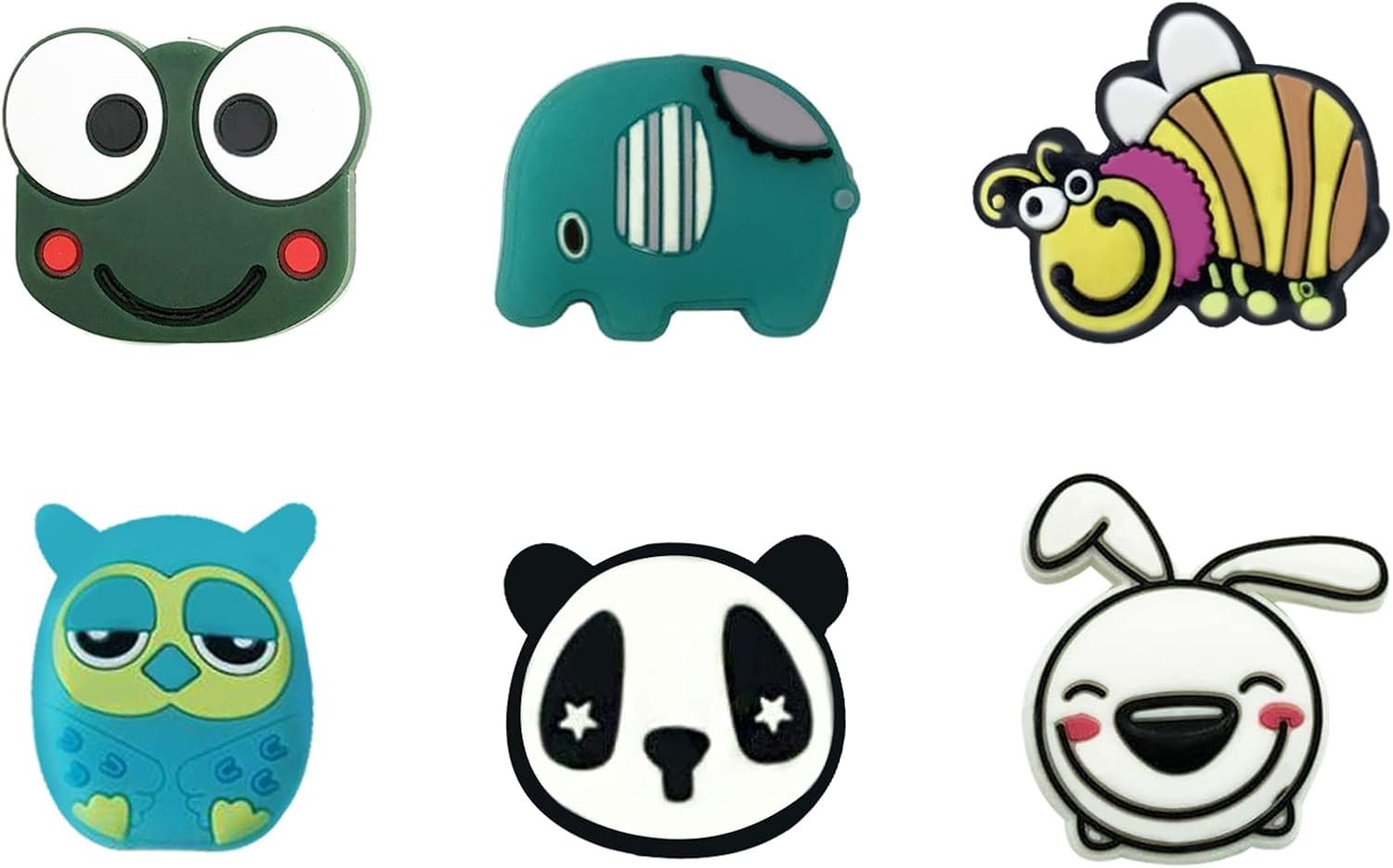
Colorful cute pattern tennis racket shock absorbers loved by tennis players, meet their replacement needs. Ideal for tennis accessory gifts
Wrap-Up:
Starting tennis as an adult is one of the most energizing things you can do for yourself. The physical movement, mental challenge, and social fun all come together in a way that few sports can offer. And when you’re well-equipped from the start, it builds confidence and motivation. Whether you’re hitting your first forehand or practicing serves in the park, this gear will support your progress every step of the way. Focus on having fun, stay patient with your skills, and enjoy showing up for yourself—on and off the court.